3 Jun 2026
Shifting Shadows: How Aggregated Benchmark Logs from Strategy Titles Expose Hidden Scaling Behaviors Across Mixed Monitor Arrays
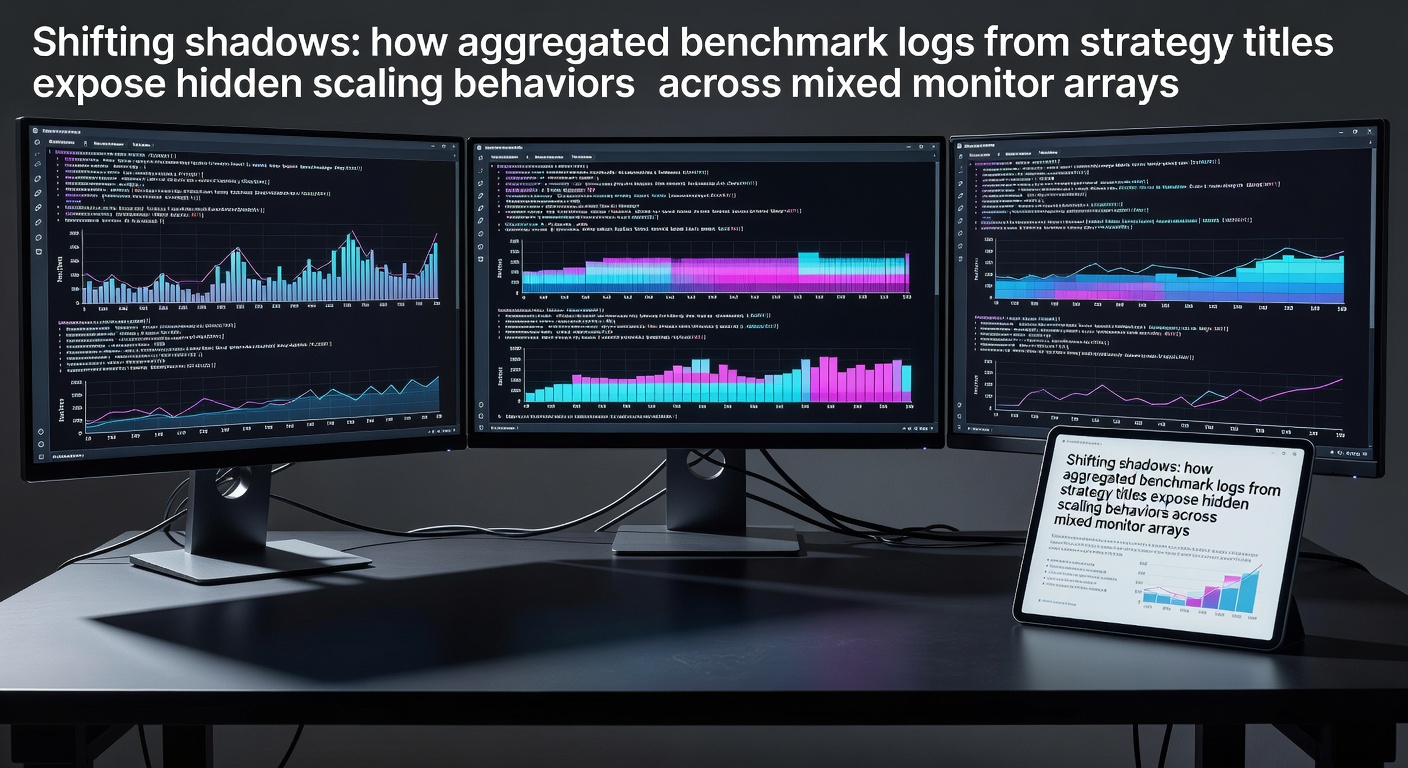
Strategy titles generate extensive performance logs during extended campaigns, and when those datasets aggregate across thousands of player configurations, patterns emerge that single-system tests rarely capture. Mixed monitor arrays introduce variables like differing resolutions, refresh rates, and color profiles that affect how games scale rendering workloads, and aggregated logs from titles such as Civilization VI or Total War series make those interactions visible through frame-time distributions and resource allocation shifts.
Data collection often occurs via community-driven tools that record metrics during matches or turns, then anonymize and pool the results. Researchers analyzing these pools notice that scaling algorithms in game engines adjust differently when primary and secondary displays operate at mismatched specifications, leading to unexpected drops in draw call efficiency or texture streaming consistency that isolated benchmarks overlook.
Mechanics of Mixed Monitor Configurations
Players frequently combine panels with 1440p at 144 Hz alongside 4K at 60 Hz or ultrawide formats at varying pixel densities, and the operating system plus graphics drivers must negotiate these differences during windowed or borderless modes common in strategy sessions. The engine decides which monitor receives the primary render target, yet background calculations for AI pathfinding and simulation threads still reference the full desktop layout, creating overhead that scales nonlinearly with array complexity.
According to findings shared through the International Game Developers Association, aggregated logs reveal that frame pacing irregularities increase by measurable margins when refresh rates diverge beyond 60 Hz differentials. Those discrepancies appear most clearly in late-game scenarios where unit counts peak and the simulation load compounds with rendering demands across multiple viewports.
Patterns Uncovered in Aggregated Logs
Benchmark aggregation platforms compile data from hardware telemetry that includes monitor EDID information alongside GPU and CPU counters, allowing analysts to correlate scaling behaviors with specific array compositions. One recurring observation shows that strategy engines employing dynamic resolution scaling sometimes apply reductions unevenly when secondary monitors handle overlay interfaces or minimaps, resulting in temporary texture pop-in or shadow map recalculations that single-monitor tests never trigger.
What's interesting emerges when logs segment by June 2026 driver releases, where updates to adaptive sync protocols altered how mixed arrays handled variable refresh synchronization. The datasets indicate smoother transitions on homogeneous setups yet persistent micro-stutters on mixed ones, particularly during camera panning across large strategic maps that force frequent viewport recalibrations.
Regional Research Contributions and Data Sources
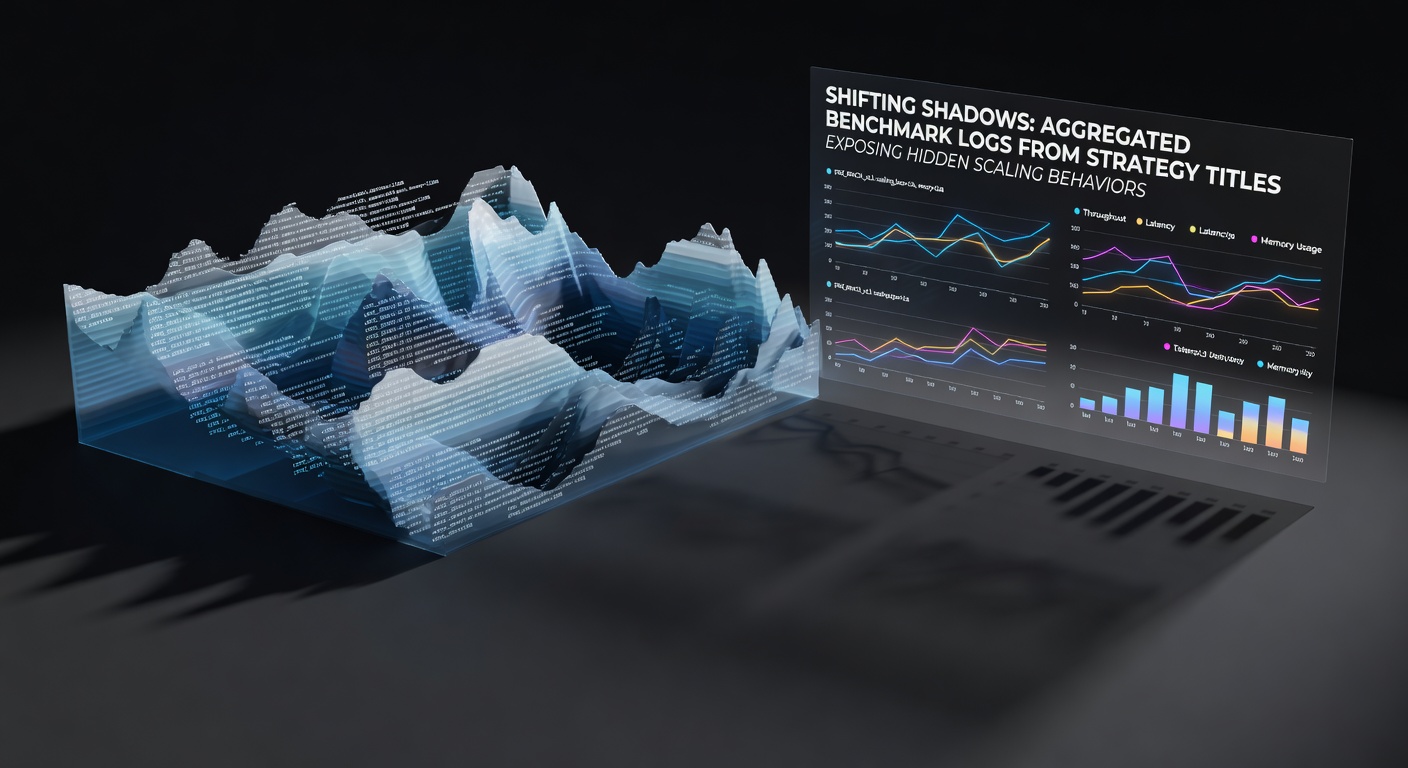
Studies conducted at institutions across North America and Europe contribute additional context, with one project from a Canadian research consortium examining how display topology influences DirectX 12 command list submissions in turn-based environments. Their pooled results align with logs from European players running similar arrays, confirming that cross-monitor scaling overhead correlates strongly with the number of distinct pixel clock domains rather than total pixel count alone.
Another dataset compiled through academic channels at ETH Zurich highlights how memory bandwidth allocation shifts when strategy titles render shadow cascades across mismatched aspect ratios. The evidence shows that engines prioritize the primary display's native resolution for high-detail cascades while downsampling secondary views, yet the aggregation process exposes hidden costs in shared GPU memory pools that manifest as occasional hitches during simultaneous UI updates.
Implications for Hardware Configurations
Those reviewing the logs observe that users with mixed arrays benefit from explicit primary monitor designation in game settings, which reduces the frequency of scaling recalculations during high-load phases. Driver-level tools that enforce consistent color spaces and timing across panels further stabilize the patterns visible in the aggregated data, particularly when strategy sessions extend over multiple hours and thermal throttling begins to interact with display synchronization.
June 2026 updates to several popular titles incorporated better awareness of multi-monitor topologies, and subsequent benchmark collections demonstrate narrower variance in frame delivery times for previously problematic array combinations. The logs continue to serve as an evolving record, capturing how incremental engine changes alter the underlying scaling equations without requiring controlled lab environments.
Conclusion
Aggregated benchmark logs from strategy titles continue to surface scaling behaviors specific to mixed monitor arrays that remain invisible in conventional testing protocols. These datasets, drawn from diverse player configurations worldwide, provide measurable evidence of how display heterogeneity influences rendering pipelines and simulation performance over time. As hardware evolves and more users adopt complex multi-panel setups, the ongoing collection and analysis of such logs offers a practical method for identifying optimizations that maintain consistent experiences across varied display environments.