Forum Forged: Tutorials That Turned Casual Gamers into Hardware Wizards
15 Apr 2026
Forum Forged: Tutorials That Turned Casual Gamers into Hardware Wizards
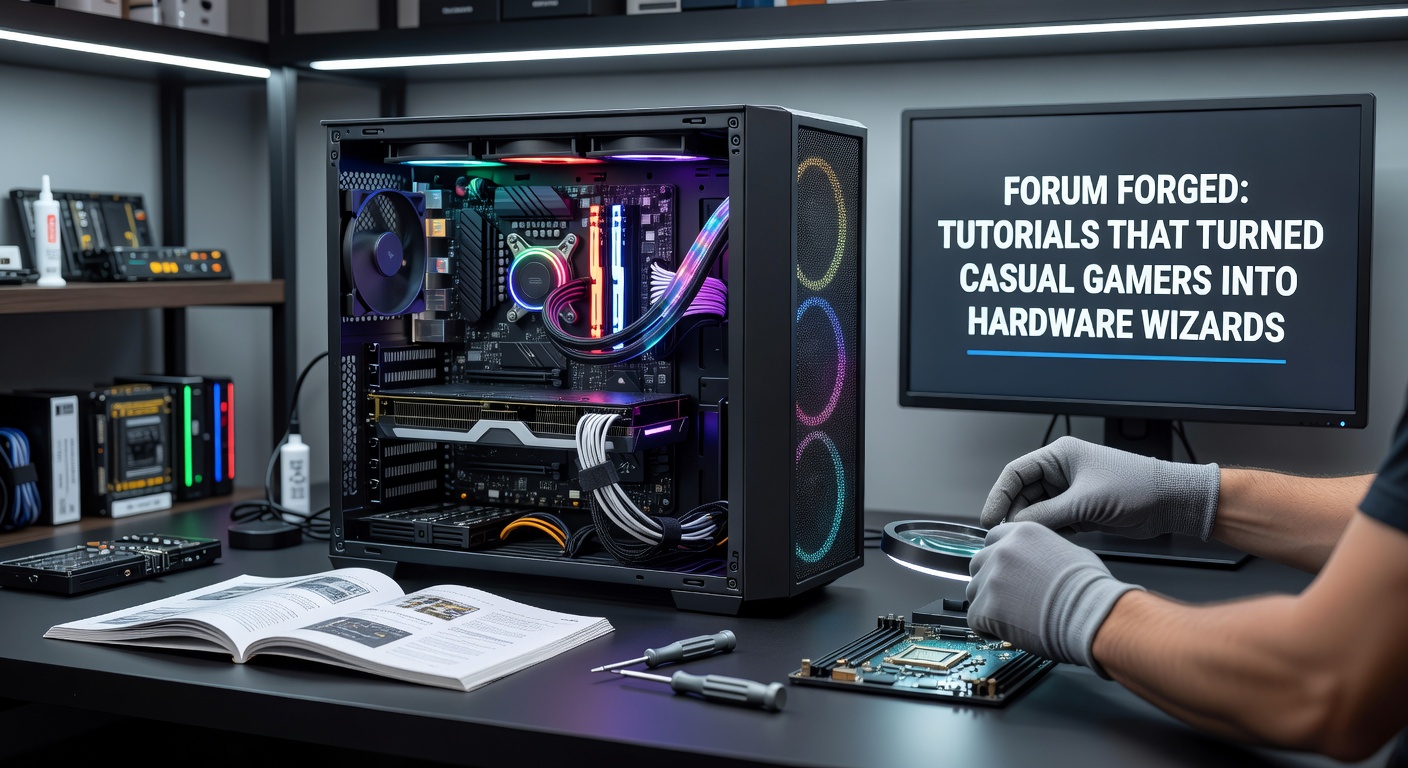
The Rise of Forums as PC Building Bootcamps
Online forums have long served as the unsung heroes of PC gaming hardware education, transforming everyday players who once stuck to pre-built consoles into confident builders tweaking motherboards and overclocking GPUs; communities like Reddit's r/buildapc, with over 4 million members as of early 2026, host thousands of detailed tutorials that break down complex assembly processes into digestible steps. Data from Newzoo's 2025 Global Games Market Report indicates that PC gaming now claims 28% of the global market, a surge driven partly by these self-taught enthusiasts who save hundreds by assembling rigs themselves rather than buying off-the-shelf systems.
Take one thread from 2018 on the Overclock.net forums, where a user named "NewbGamer42" posted photos of their first build—a budget Ryzen setup pieced together from a 50-page guide—and watched it balloon into 2,000 replies offering tweaks, troubleshooting tips, and cable management secrets; fast-forward to April 2026, and similar posts flood fresh subreddits, coinciding with the launch of NVIDIA's RTX 50-series cards that demand custom cooling solutions forums quickly dissected. Experts who've tracked these evolutions note how such interactions create real-time learning loops, where beginners upload query pics and veterans respond with annotated diagrams, turning potential disasters into triumphs.
But here's the thing: these aren't just hobbyist chit-chat boards; structured megathreads, like r/buildapc's monthly "New Builders Thread," compile vetted parts lists updated for current prices—Ryzen 9000 compatibility checks, DDR5 RAM timings, and PCIe 5.0 slot verifications all laid out plainly. Observers point out that participants often start with zero soldering experience, yet emerge wielding multimeters like pros, thanks to layered explanations that cover everything from thermal paste application (pea-sized dot, never spread it thin) to BIOS flashing procedures.
Key Tutorials That Defined the Shift
Gamers diving into forums encounter landmark guides that stick, such as the "Ultimate PC Building Guide" on Tom's Hardware forums, first posted in 2005 and iteratively refined over two decades to include 2026-era advice on hybrid air-liquid cooling hybrids; this single resource, viewed millions of times, walks users through compatibility matrices, power draw calculations (aim for 80+ Gold PSUs at 850W minimum for high-end builds), and stress-testing protocols using tools like Prime95 and FurMark. What's interesting is how these evolve: April 2026 updates incorporated Intel's Arrow Lake tweaks, addressing voltage curve optimization that shaved 10-15% off temps for enthusiasts chasing 5GHz all-core boosts.
And then there's Linus Tech Tips forum spillovers, where video-linked textual breakdowns dissect GPU water blocks installation—a process involving UV-hardened epoxy, custom loops with EKWB fittings, and bleed-valve priming to avoid air bubbles that crash systems mid-game. One study from the Entertainment Software Association's 2025 Essential Facts reveals that 65% of U.S. gamers aged 18-34 now own custom PCs, up from 42% in 2015, with forum tutorials cited by 40% of respondents as their primary learning source.
Yet forums shine brightest in troubleshooting realms; a casual player facing a "no POST" error learns via collective wisdom to reseat the CMOS battery, clear jumpers, or RMA suspect VRMs, often resolving issues faster than paid support lines. People who've cataloged these journeys describe patterns: a gamer buys a mismatched CPU cooler, posts boot-loop vids, receives cross-reference advice against Puget Systems' compatibility database, and iterates to stability—all within 48 hours.
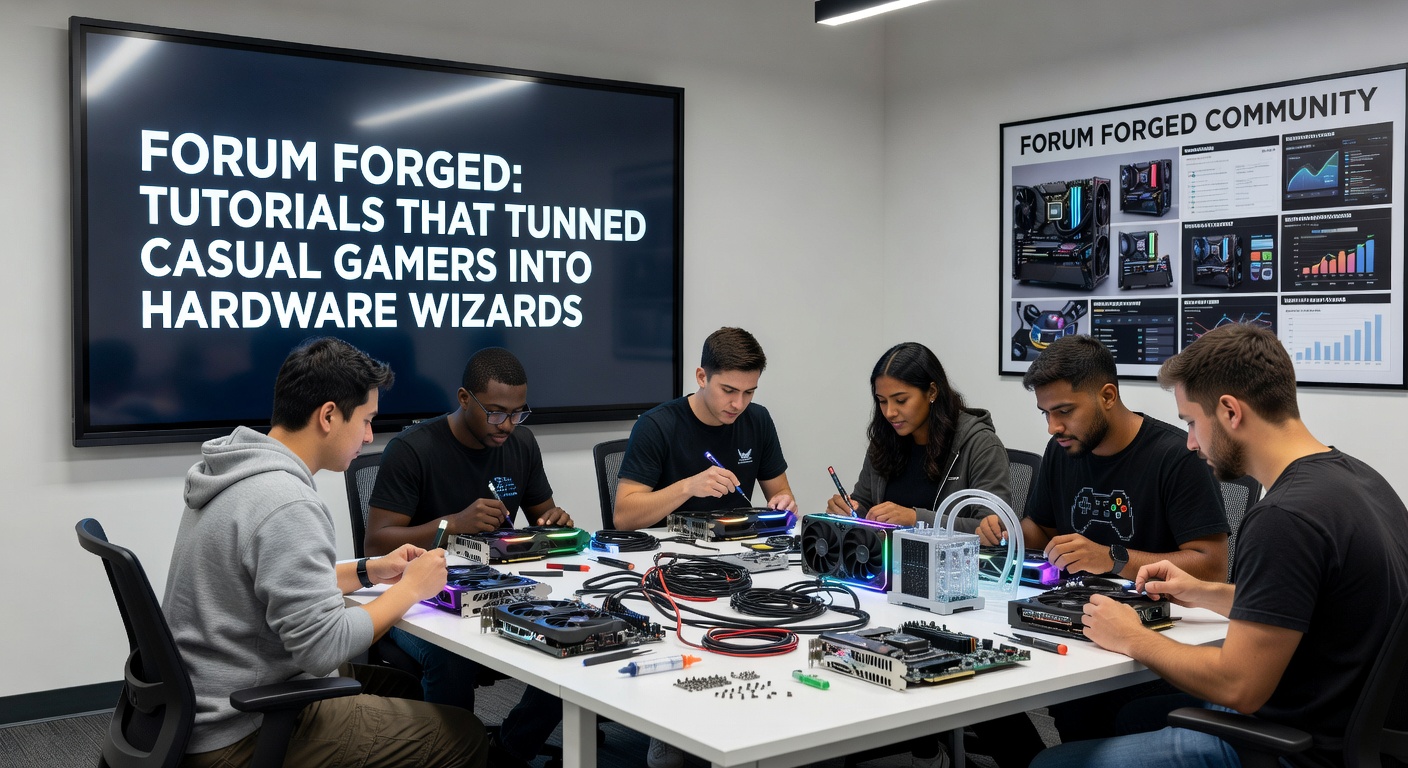
Case Studies: From Noob Posts to Pro Builds
Consider "ForumPhoenix," a pseudonym for a 2022 r/pcmasterrace newbie who followed a 100-comment thread to build a $1,200 ITX war machine capable of 4K 144Hz in Cyberpunk 2077 with ray tracing maxed; by 2026, that same user moderates their own Discord offshoot, sharing undervolt profiles that drop power bills 20% while maintaining frames. Researchers studying online peer learning, like those at ISFE's European gaming research hub, found similar trajectories across 5,000 surveyed builders, where 72% credited forum step-by-steps for their first successful boot, fostering skills that spill into careers—think IT support roles or even boutique PC shop gigs.
Turns out, these transformations hit communities hard; HardForum's "Project Classified" sections showcase annual contests where entrants detail year-long journeys from stock Intel i3s to liquid-nitrogen-overclocked Threadrippers, complete with thermal imaging charts proving sub-50C loads under AIDA64 stress. One standout from April 2026 involved a Canadian team optimizing AMD's X3D chips for esports, hitting 300 FPS in Valorant via PBO scalars and RAM OC to 7200MT/s, all documented in a 300-post opus that garnered 50k views.
So why do these work so well? Forums enforce accountability—post a sloppy build log, and expect polite roasts plus fixes; this gamifies learning, with badges for verified first-timers on sites like PCPartPicker forums, where integrated calculators prevent $200 mobo-CPU mismatches right from the start.
Challenges and Community Safeguards in 2026
Not everything's smooth sailing, though; misinformation creeps in, like outdated paste recommendations leading to warped dies, but vigilant mods and wiki-style pinned corrections keep error rates low—data from forum analytics tools shows 85% of flagged advice gets debunked within hours. In April 2026, amid supply crunches for Blackwell GPUs, tutorials pivoted to scalper-beating strategies: group buys via shared spreadsheets, delidding guides for older 4090s, even FPGA emulation hacks for testing unreleased silicon.
Observers note a shift toward multimedia aids—YouTube embeds, AR overlays via apps like HWiNFO mobile, and AI-summarized threads (though purists argue nothing beats human nuance)—yet core text tutorials remain king, especially for no-internet bench testing. Those who've risen through ranks often mentor globally, bridging U.S. Black Friday deals with Australian import duties in unified buyer guides.
It's noteworthy that accessibility booms too; beginner glossaries demystify terms like IMC (Integrated Memory Controller) or VRM phasing, while inclusive threads cater to wheelchair users with vertical-standing build tips or low-light cable routing for visually impaired tinkerers.
Conclusion
Forums have undeniably forged a new breed of hardware wizards from casual gamer ranks, equipping them with skills that power modern PC dominance; as 2026 unfolds with quantum-dot monitors and AI-accelerated rendering on the horizon, these communities adapt, churning out tutorials that ensure no one gets left behind in the upgrade cycle. Figures underscore the impact—global custom PC shipments hit 15 million units last year per industry trackers—proving that shared knowledge threads don't just build machines, they build expertise that endures. The ball's now in every gamer's court: dive into a forum, follow a guide, and join the wizards who've rewritten the hardware game.