18 May 2026
Community Threads Revealing Overlooked Driver Settings for Smoother Experiences in Simulation Racing Events
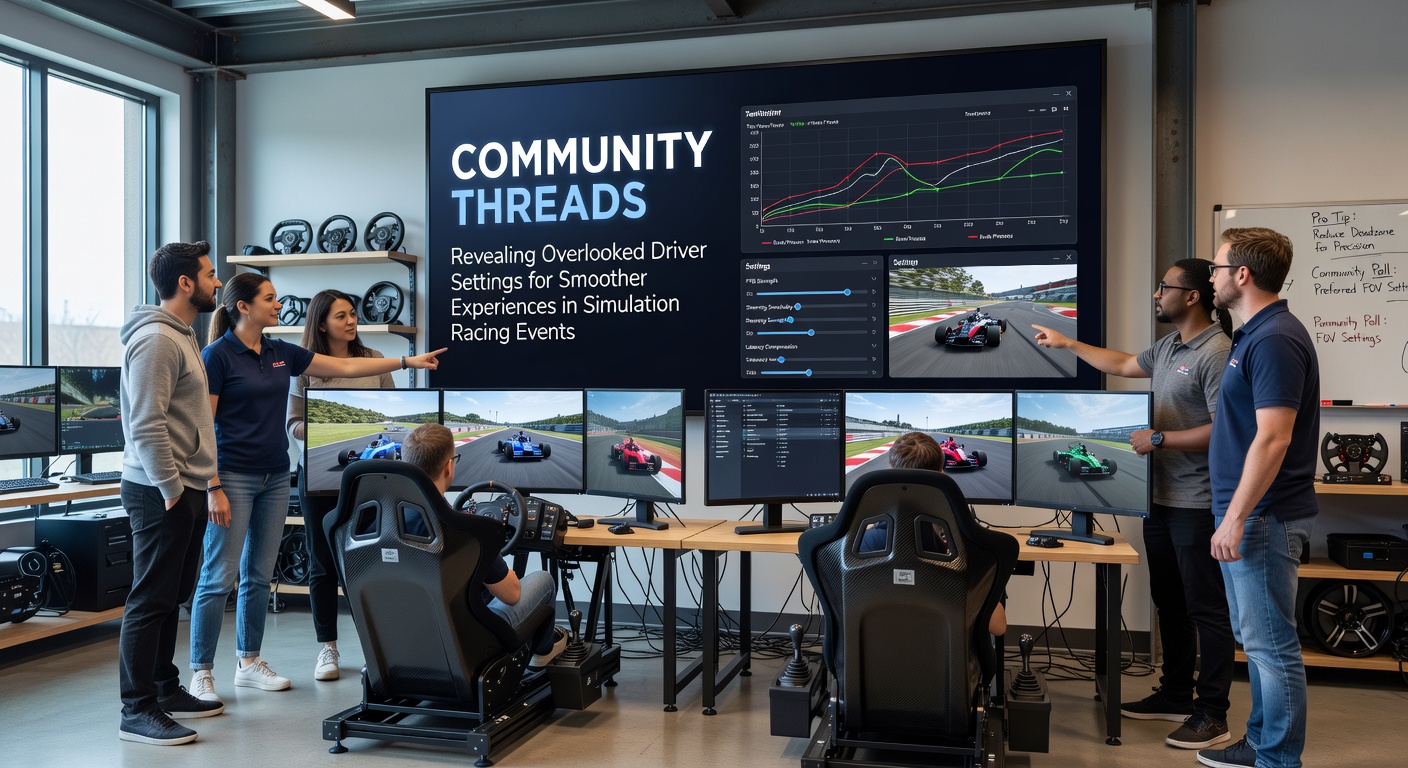 Community discussions across specialized racing forums and social platforms have highlighted specific driver configurations that address frame pacing inconsistencies in popular simulation titles. Participants share configuration profiles tested across multiple hardware generations, and these exchanges focus on settings within NVIDIA and AMD control panels that influence input response and visual stability during endurance events. Observers note that many users overlook adjustments to power management modes and low latency features when preparing systems for titles like iRacing or Assetto Corsa Competizione. These threads often begin with reports of micro-stuttering during high-speed cornering sequences, and contributors trace the issue to default driver behaviors that prioritize general desktop performance over sustained racing workloads. Data from hardware monitoring tools shared in these posts indicate that enabling maximum performance power states reduces voltage fluctuations which otherwise interrupt frame delivery. Researchers at institutions tracking esports metrics, including those affiliated with Canadian academic groups, have documented similar patterns in controlled latency evaluations.
Key Driver Adjustments Discussed in Recent Threads
Users detail step-by-step modifications to texture filtering quality and antialiasing settings that maintain clarity without excessive GPU overhead. Threads compiled in May 2026 reference spring driver releases from both major vendors, and these updates introduced refined options for vertical sync behavior that align better with variable refresh rate monitors common in racing rigs. Participants report combining these changes with frame rate caps set slightly below monitor refresh rates to eliminate tearing while preserving responsiveness.
Lists of recommended profiles circulate regularly, and they emphasize enabling NVIDIA Reflex or equivalent AMD Anti-Lag features in supported titles. One recurring observation involves disabling unnecessary background processes that compete for GPU resources during long sessions, and forum members provide before-and-after telemetry logs demonstrating smoother wheel input registration. What's interesting is how these adjustments scale across mid-range and high-end cards alike when applied consistently.Hardware Compatibility and Testing Approaches
Contributors frequently compare results across different wheel bases and pedal sets, noting that driver-level changes interact directly with direct drive force feedback systems. Testing protocols shared in these communities involve standardized track sections where lap time variance serves as the primary metric, and multiple users replicate findings on identical hardware configurations to confirm reliability. Industry reports from organizations such as the International Esports Federation align with these community findings on input consistency.
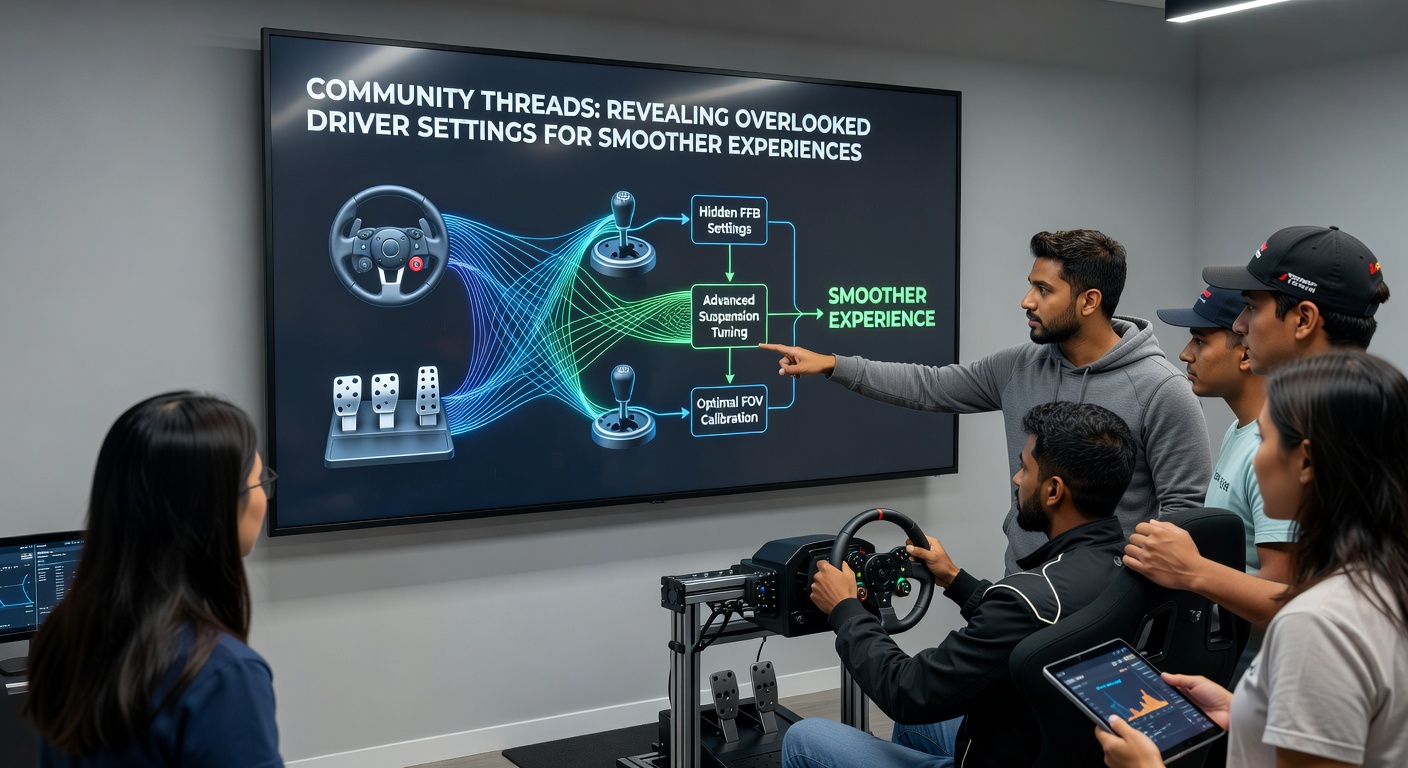 Additional sections address multi-monitor setups and the impact of surround or eyefinity configurations on driver overhead. Participants recommend specific scaling modes and synchronization options that prevent desync between displays during side-by-side racing views. Threads from early 2026 highlight how recent driver branches improved compatibility with 32:9 ultrawide panels popular among endurance racers.
Community Validation Methods and Shared Resources
Validation occurs through shared replay files and overlay captures that display frame timing graphs side by side. Members cross-reference results with official patch notes from simulation developers, and they isolate driver variables by rolling back to previous versions for comparison. Academic sources including studies from Australian research universities on human-computer interaction in virtual environments provide supporting context for why these micro-adjustments affect perceived smoothness.
And yet the process remains iterative because new driver releases can alter baseline behaviors, requiring fresh community testing cycles each quarter. Threads maintain living documents with version-specific notes, and contributors update entries as fresh data emerges from large-scale online races scheduled throughout the spring calendar.Conclusion
Forum activity around these driver refinements continues to expand the collective knowledge base for simulation racing setups. Participants document measurable improvements in frame delivery and input stability through systematic configuration sharing, and the resulting profiles offer practical starting points for new builders entering the discipline. Ongoing collaboration between hardware users and software vendors ensures that overlooked options receive attention in subsequent driver updates, supporting more consistent experiences across competitive events scheduled into the latter half of 2026.